Some brands feel timeless. They carry stories, traditions, and values that connect across generations. These are heritage brands – businesses that have built lasting trust, recognition, and cultural value over decades, sometimes centuries.
What is a heritage brand?
A heritage brand is one with a clear lineage – a company that’s built its reputation over decades, sometimes centuries. But heritage isn’t only about age; it’s about authenticity, consistency and reputation – the ability to stay relevant while preserving the brand’s original spirit.
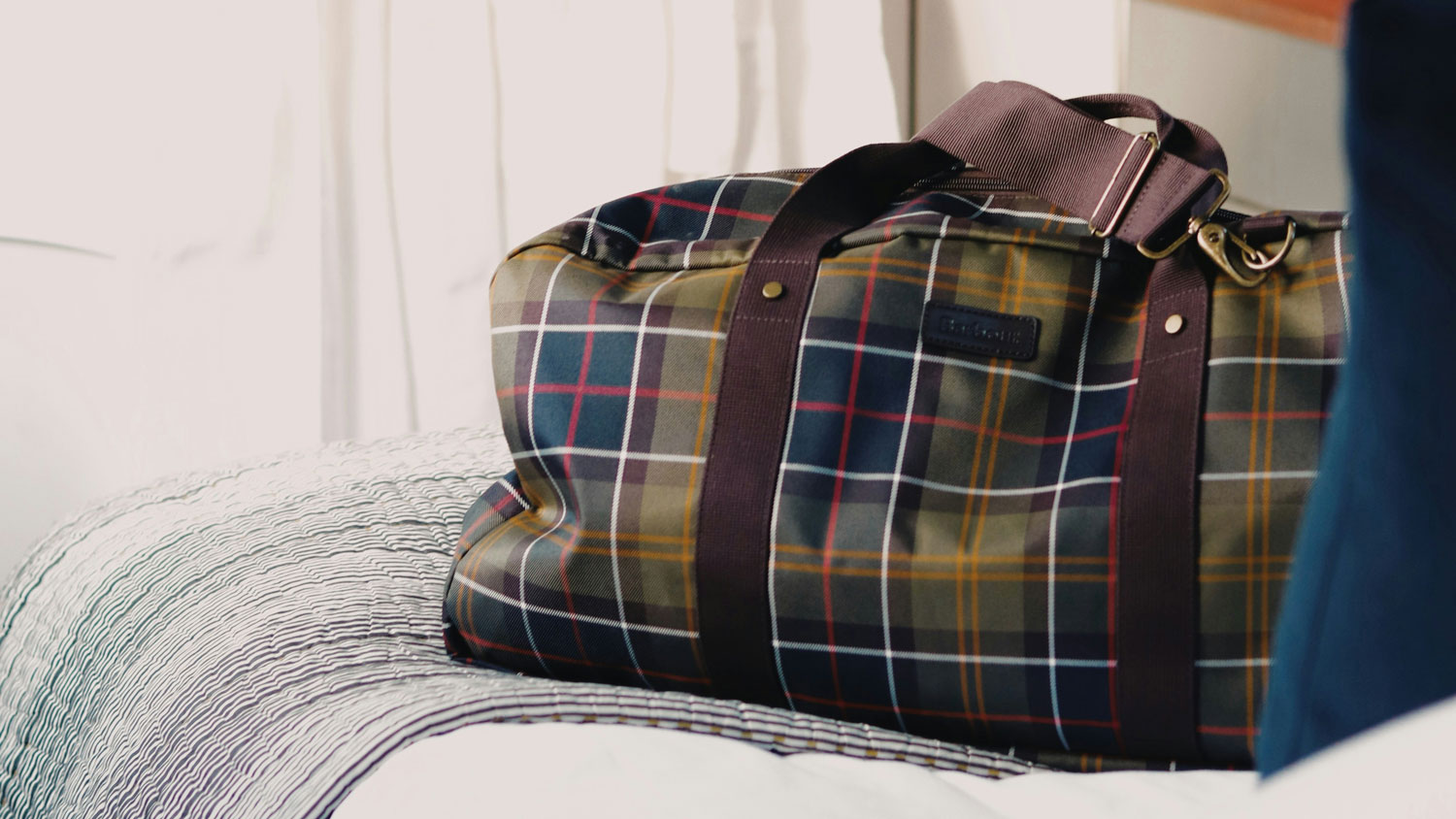
Names like Twining’s, Cadbury, or Barbour are obvious examples. Each carries a sense of story, craftsmanship, and credibility that new brands simply can’t replicate overnight. Their heritage becomes a strategic asset – a source of emotional reassurance in uncertain times.
The power & value of heritage
Heritage branding matters because it builds credibility. Consumers often associate heritage brands with quality, craftsmanship, and tradition. That trust becomes a competitive advantage, especially in crowded categories where authenticity stands out.
Consumers turn to heritage brands for reliability and meaning. In categories like consumer brands, where new entrants appear daily, legacy brands hold an advantage: familiarity and trust. But to stay relevant, heritage brands can’t simply trade on nostalgia.
The strongest heritage brands evolve their design and communication to feel current while respecting their past. A subtle evolution of typography, colour, or reviving a pattern or asset from an archive can modernise a brand without erasing its essence.

The power of Heritage Brands is in our familial generations who were brand advocates before we were even born. When generations of a family have all used and championed the same brand – it builds serious value, brand equity and storytelling.
Challenges for heritage brands
Heritage holds brand value but can also be a challenge – brands risk becoming outdated if they hold too tightly to tradition.
The main dangers are:
- Appearing irrelevant to younger consumers
- Failing to embrace digital or social channels
- Focusing too much on the past instead of innovating for the future
Why heritage brands matter
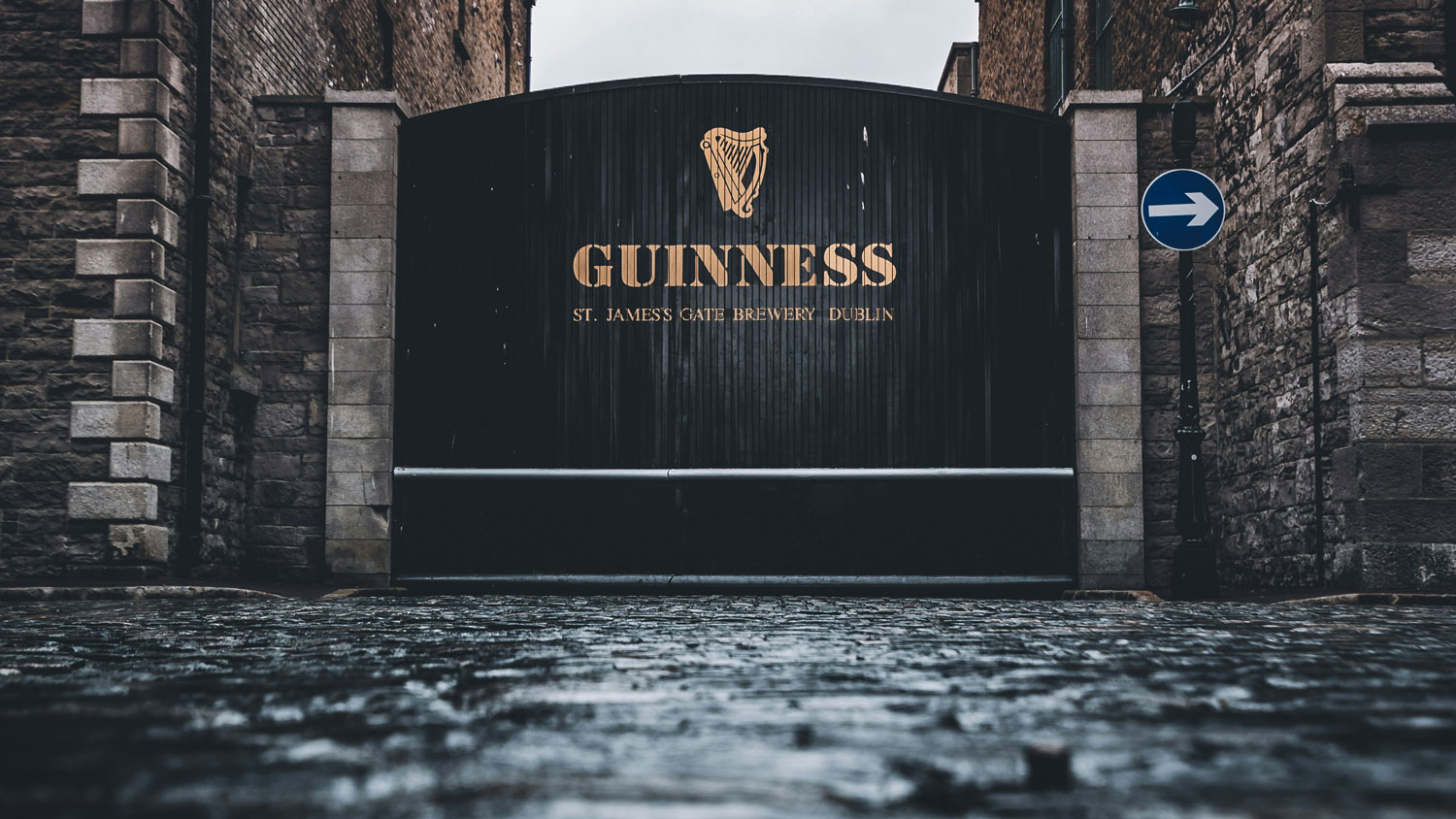
Heritage brands thrive because they connect people to something timeless. They provide reassurance that even in a shifting world, certain values remain constant.
For heritage brands, this translates into:
- Enduring trust: A reputation for quality that builds confidence
- Emotional value: Customers buy into the story as much as the product
- Cultural capital: These brands become part of lifestyle and identity
- Resilience: Heritage brands often weather trends better than newer entrants
- Generational familiarity: Heritage brands have a link to our own lineage as they are brands which may have been loved by our own parents, and their parents and even grandparents before
Balancing past and present
The challenge for heritage brands is not to be trapped by their own history. Successful ones honour their legacy but continue to evolve. Their strength lies in storytelling, showing how heritage can remain relevant without losing authenticity.
Heritage brands prove that great branding is never just about design or visibility. It is about creating meaning that lasts across generations. When history, culture and strategy align, a brand can move beyond being a product to becoming a legacy.
A heritage brand is defined by longevity, authenticity, and a strong sense of origin. It’s not just about age, but about a recognisable story and consistent identity built over time.
Not at all. Many heritage brands evolve visually to stay relevant. The key is retaining core elements that carry meaning, while refreshing anything that feels outdated or confusing.
Heritage brands offer reassurance. Their history signals quality, reliability, and experience, which builds confidence in crowded FMCG and CPG consumer categories.
Yes. Heritage comes from clarity and consistency over time. A strong brand story, distinctive identity, and long-term commitment to design principles all help create future heritage.
have a brand heritage project in mind? Tell us more at hi@greatergood-brands.com
Do you want your brand to be remembered for decades, not just years?
We can help you build a lasting legacy consumers will trust

Sign up to our building better brands newsletter
Free insights for scaling brands