Some brands are straightforward, with a single product and a clear identity.
Other brands span dozens, even hundreds, of products and services. Without a guiding system, that complexity can easily confuse customers and dilute brand value.

What is brand architecture?
Brand architecture is the framework that organises how products, sub-brands and services relate to one another within a business.
It answers questions such as:
- Should everything sit under one name?
- Do certain products need their own distinct brand identity?
- Do we need to rebrand certain products for clearer distinction?
- How do we avoid confusing customers as we grow?
Different types of brand architecture
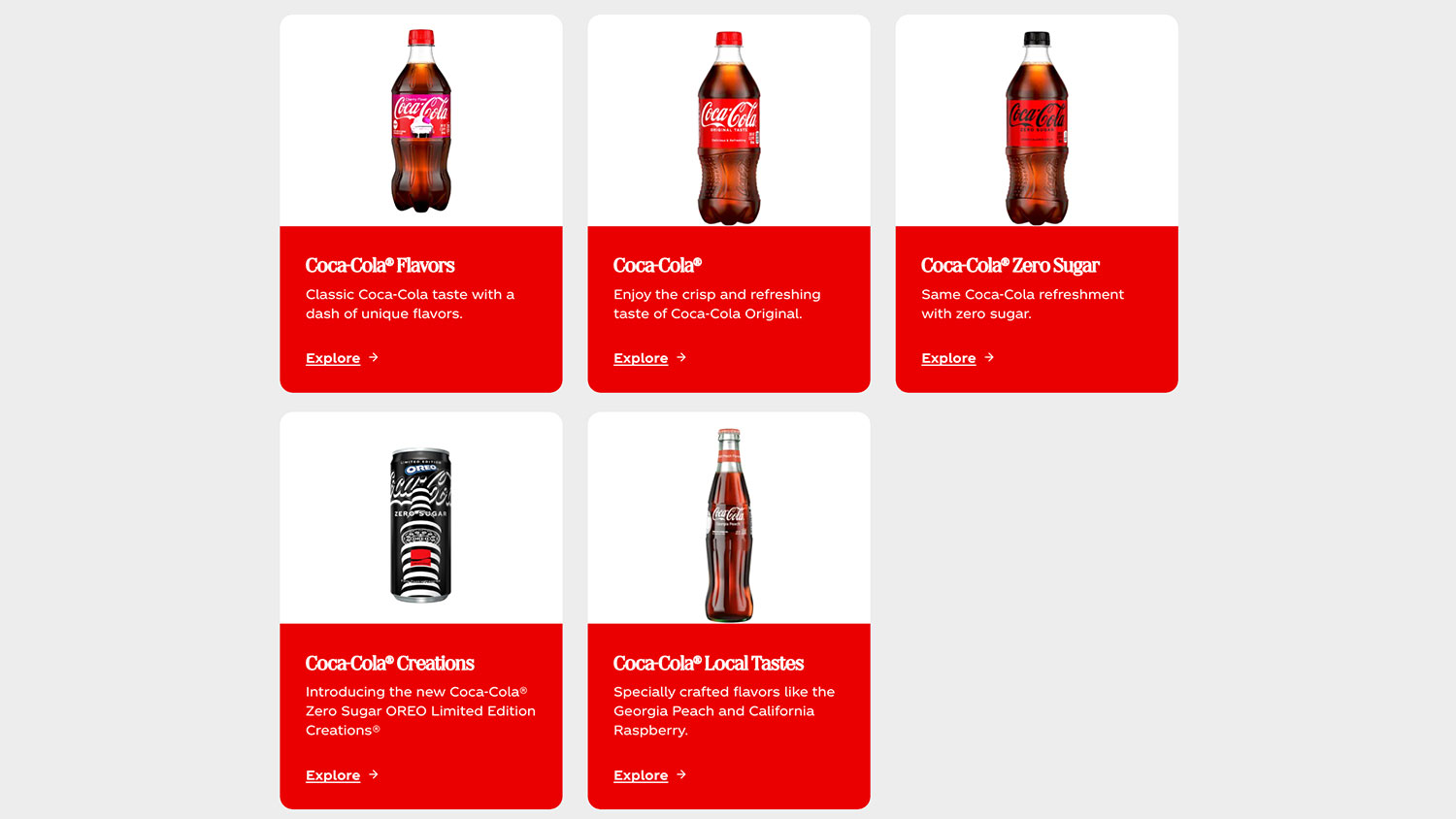
- Monolithic (Branded House): One brand name drives everything, creating a unified presence. For example, Google uses its name consistently across all services.
- Endorsed: Sub-brands have their own personality but are visibly linked to the parent brand. Marriott Hotels is a good example, with each property name endorsed by the master brand.
- Pluralistic (House of Brands): Multiple distinct brands operate independently, with little to no visible connection. Procter & Gamble demonstrates this with Tide, Pampers and Gillette all standing on their own.
- Hybrid: A tailored combination of models, often used by large corporations managing varied portfolios.
Why brand architecture matters
Without a clear structure, brands risk confusing their customers and diluting their impact.
Strong brand architecture provides clarity and direction, delivering benefits such as:
- Clearer positioning for every product or service
- Greater trust through consistency and credibility
- More efficient marketing and communications
- Flexibility to support growth, partnerships and acquisitions
Brand architecture is the invisible structure that makes complexity feel simple across large companies, groups, and brands.
It provides order where there could be confusion, ensuring every product and sub-brand fits into a bigger story. For customers, it builds trust and understanding. For businesses, it unlocks focus, consistency and long-term growth.
Brand architecture is the structural framework that defines how a company’s products, services, and sub-brands relate to one another and to the parent brand. It matters because without it, growing brands risk creating confusion – both internally, where teams pull in different directions, and externally, where customers can’t understand what a company stands for or what it offers. Strong brand architecture turns complexity into clarity.
Brand architecture is most commonly used by companies managing multiple products, services, or audiences that need to coexist under one commercial identity.
It is particularly important during periods of growth – when a brand launches new products, enters new markets, makes acquisitions, or expands into new categories.
Without brand architecture in place at those moments, complexity accumulates quickly and becomes expensive to resolve.
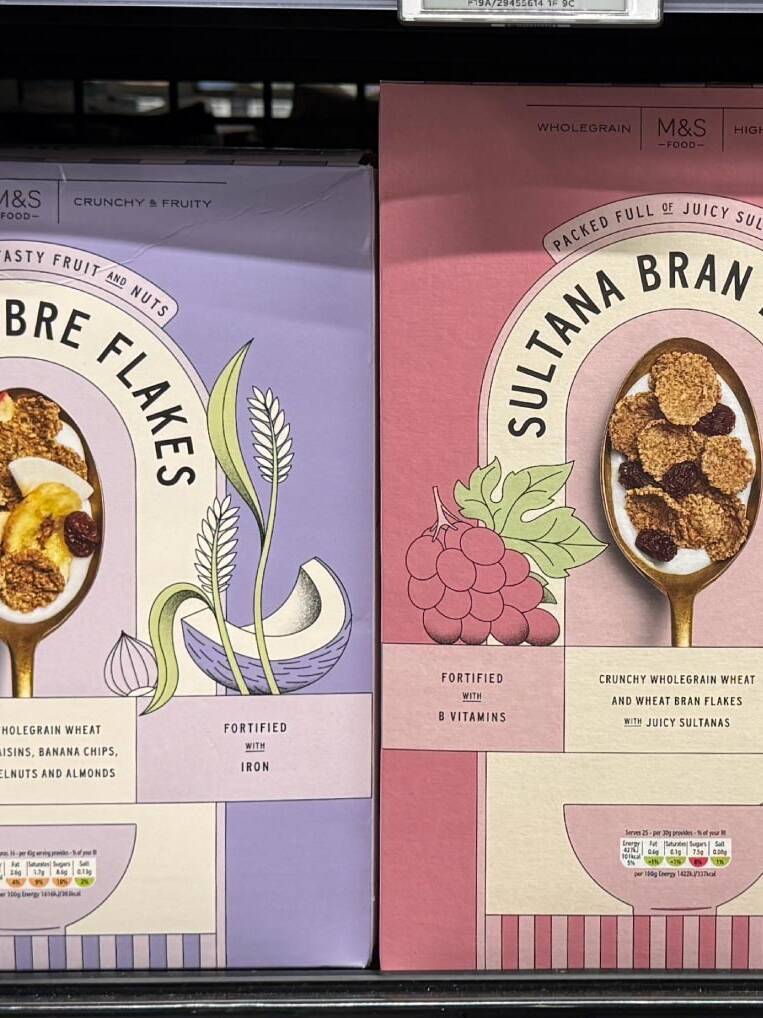
In FMCG and consumer goods, brand architecture determines how a product range is structured, named, and presented at shelf.
It answers questions like:
- Should new flavours sit under the master brand or have their own identity?
- Should a new category extension carry the same name or a different one?
- Should sub-ranges be colour-coded, named, or both?
Getting brand architecture right in consumer goods directly affects brand equity, range navigation, shelf blocking, and the shopper’s ability to find and repurchase the right product.
Brand architecture shapes every packaging design decision a brand makes.
The hierarchy of the brand name relative to the product name, the colour system used to differentiate variants, the visual language shared across a range – all of these are expressions of the brand architecture.
Packaging design that lacks a clear architectural foundation often looks incoherent at scale, with individual SKUs that feel like different brands rather than a coherent family. Brand architecture is what makes a range look like a range.
Have a brand architecture project in mind? Tell us more at hi@greatergood-brands.com
Is your brand architecture working for you – or against you?
If your range has grown and the structure holding it together hasn’t kept pace, let’s talk

Sign up to our building better brands newsletter
Free insights for scaling brands