Every week we hear from brands who know something isn’t working. Rate of sale is low, too low. A buyer has given difficult feedback. Consumers keep asking the same questions and are confused about the product.
Or brand owners just stand in the aisle and feels it – the pack looks wrong next to the competition, and they can’t explain exactly why.
Knowing when to update packaging design is one of the most commercially important decisions a brand can make. Too early and you risk losing hard-won recognition. Too late and you've already lost shelf space to a competitor who moved faster.
These are the five most common reasons brands come to us when they are looking to update packaging design...
1. Your range has grown – but your packaging system hasn't
This is the most common brief we receive.
A brand launches with one or two SKUs. The design works well enough at that size. Then the range doubles. Then doubles again. New flavours, new formats, new sub-ranges. And suddenly what started as a coherent brand becomes a fragmented shelf presence that confuses both shoppers and buyers.
When a consumer can’t navigate your range, they move on. When a buyer can’t see a clear system, they question the brand’s scalability. Neither outcome is acceptable commercially.
The signs are consistent: products that look like siblings rather than a family, colour variants so similar they blend into each other, hero claims buried under visual noise, and a fixture presence that looks like five different brands rather than one.
Knowing when to update packaging design in this situation is straightforward – the moment your range navigation is working against your rate of sale, it’s already overdue.
2. A previous agency or freelancer delivered design without retail strategy
Not every agency understands retail.
A brand might have worked with a talented studio that produced visually strong work – beautiful typography, considered illustration, a coherent aesthetic. And yet the packaging doesn’t convert at shelf. Buyers raise concerns. Shoppers walk past it.
The problem isn’t the craft. It’s the absence of commercial thinking underpinning it.
Retail packaging has a specific set of demands that purely aesthetic design cannot meet. Visual hierarchy that works from two metres away. Colour blocking that creates dominance at fixture. Messaging that communicates the core proposition in under three seconds. Pack architecture that holds across formats, sizes, and retail environments from Waitrose to convenience.
When to update packaging design is when the work looks good in a presentation but doesn’t perform in a supermarket aisle.
We work with a significant number of brands in exactly this position. The brand equity built by the original work isn’t always lost – but it needs redirecting with a layer of retail strategy that the original brief never included.
3. Your proposition & messaging have drifted – or were never clear
This one is harder for brand owners to see because they are too close to it.
It happens gradually. A claim gets added here. A descriptor gets updated there. A new certification badge appears. A line of copy that made sense at launch no longer reflects what the brand actually is. And over time, the pack becomes a layered archive of every brand conversation that was never fully resolved – rather than a clear, single-minded commercial statement. The result is a pack that says too much and communicates nothing.
Shoppers don’t decipher packaging. They make instant decisions based on what they understand immediately. If the primary message isn’t obvious within three seconds – what the product is, who it’s for, and why it’s different – the opportunity is gone.
Knowing when to update packaging design because of messaging drift means being honest about whether your pack answers three questions clearly:
- What is this?
- Why should I care?
- Why you and not the brand next to you?
If it takes longer than a glance to answer all three, the packaging is working against the brand – regardless of how considered the original design was.
4. The category & competition have moved and your packaging hasn't
Categories don’t stand still.
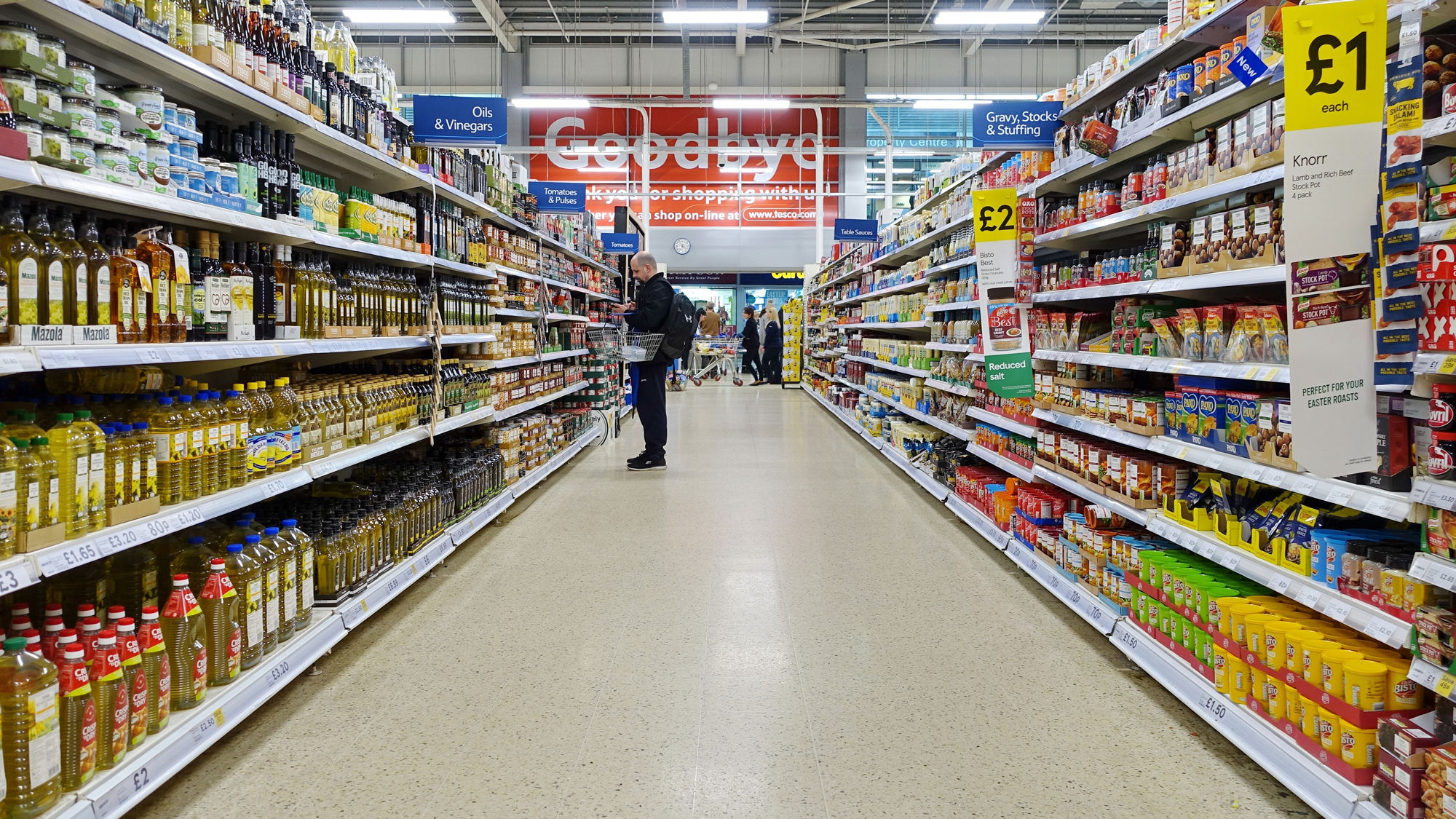
A challenger brand that launched into a category five years ago may have been distinctive by default. The competition was weak. The design bar was low and standing out was relatively easy. That same brand today might be flanked by well-funded competitors with sharper positioning, stronger design, and clearer retail strategy (that’s without thinking of own label waiting in the wings).
The category has evolved around and without them – and the original packaging now looks like the weakest option on the fixture it used to dominate.
This is one of the most commercially urgent reasons for knowing when to update packaging design – because unlike a messaging problem or a range navigation issue, a competitive standout problem gets worse every month you wait.
The brands that defend share in categories are the ones that treat their packaging design as a commercial asset.
5. Your brand is scaling – and the current packaging design isn't scaling with it
Scale and increases in distribution exposes every weakness a brand has been able to ignore at smaller scale.
- A pack that works in an independent deli doesn’t necessarily work in a major grocery multiple
- A design system built for three SKUs breaks down at fifteen
- A product SKU naming system which made sense for social media followers, makes no sense once it’s isolated on a retail shelf
The moment a brand secures a significant new listing, attracts investment, or makes the decision to push for national distribution is exactly when to update packaging design – before the scale happens, not after.
The brands that arrive at major grocery looking retail-ready, with a coherent system and a confident shelf presence, earn (and keep) the listings. The ones that are fighting for listings looking like they are still working it out, don’t.
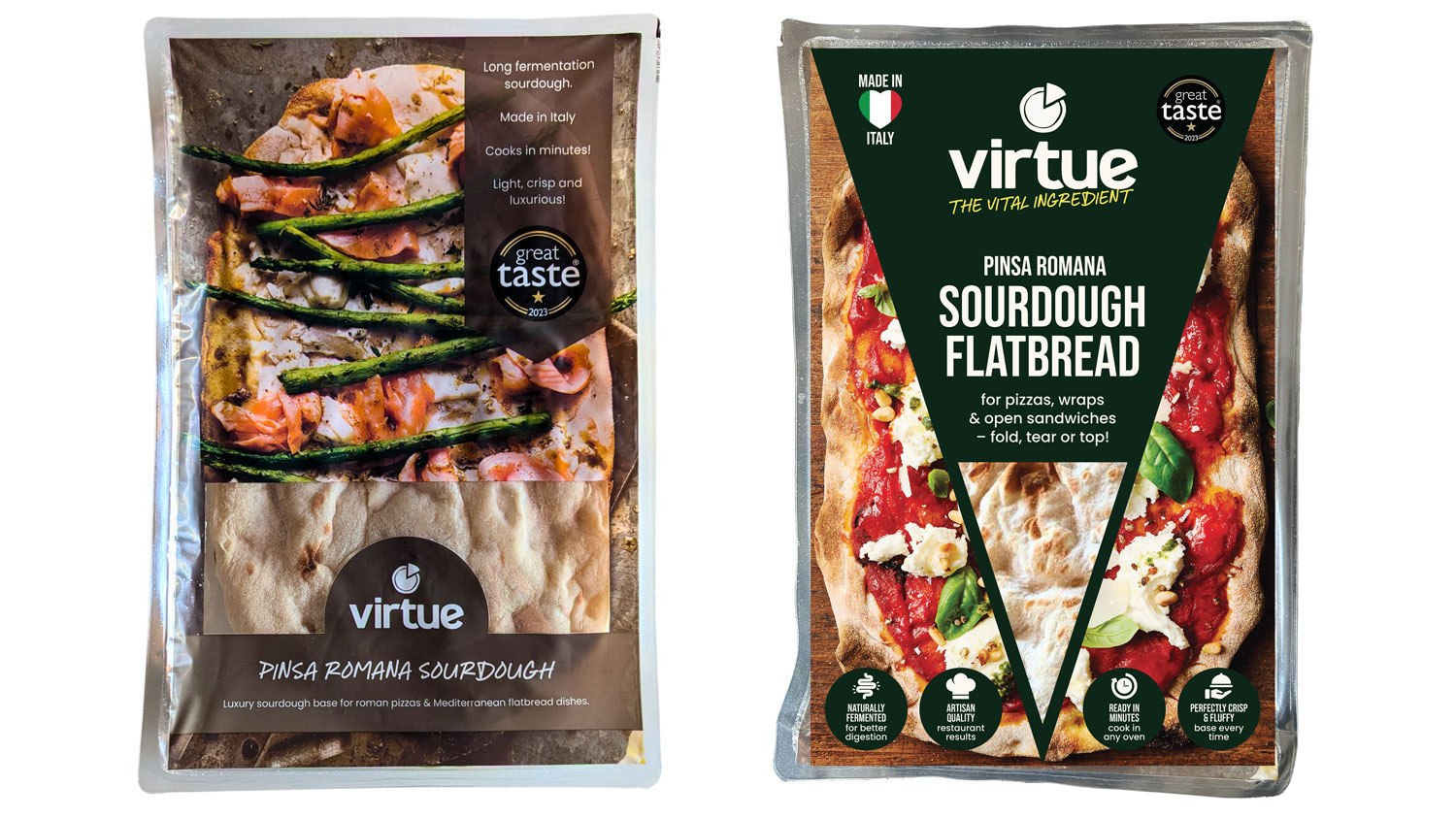
So how do you make the decision?
The most common reasons brands come to us looking to update packaging design are often the same...
A range that is impossible to navigate, messaging that makes no sense, consumers confused about the proposition and price point, a lack of shelf visibility.
Knowing when to update packaging design is one of the most commercially important decisions a brand can make – the cost of getting the timing wrong is measured in lost rate of sale, missed listings, and shelf space quietly lost to better-designed competitors.
The clearest signals are commercial ones.
If your rate of sale has plateaued (or never taken off in the first place), if buyers are giving consistent feedback about shelf presence or navigation, or if you find it difficult to explain your own brand proposition clearly – your packaging is likely part of the problem.
There is no fixed rule, but most established brands review their packaging every three to five years. Challenger brands in fast-moving categories may need to move sooner.
The trigger should always be commercial – moving your packaging design forwards as a real commercial asset on shelf – rather than simply a desire for something new.
Timelines vary depending on the scope of the brief.
A single SKU refresh can move in six to eight weeks. A full range redesign would be more realistic around a 2-4 month process.
The cost is real and measurable – it just tends to accumulate slowly enough that brands underestimate it.
- Missed listings because a buyer didn’t feel confident in the brand’s commercial readiness
- Rate of sale below category average because the pack doesn’t convert clearly
- Shoppers choosing a competitor with better shelf standout, not a better product
- Brand equity that stagnates because the packaging no longer reflects what the brand has become
Thinking about a packaging redesign project? Tell us more at hi@greatergood-brands.com
Looking to update your packaging design and turn it into your strongest commercial asset?
We work with global brands and iconic challengers to help them capitalise on packaging design which truly converts

Sign up to our building better brands newsletter
Free insights for scaling brands