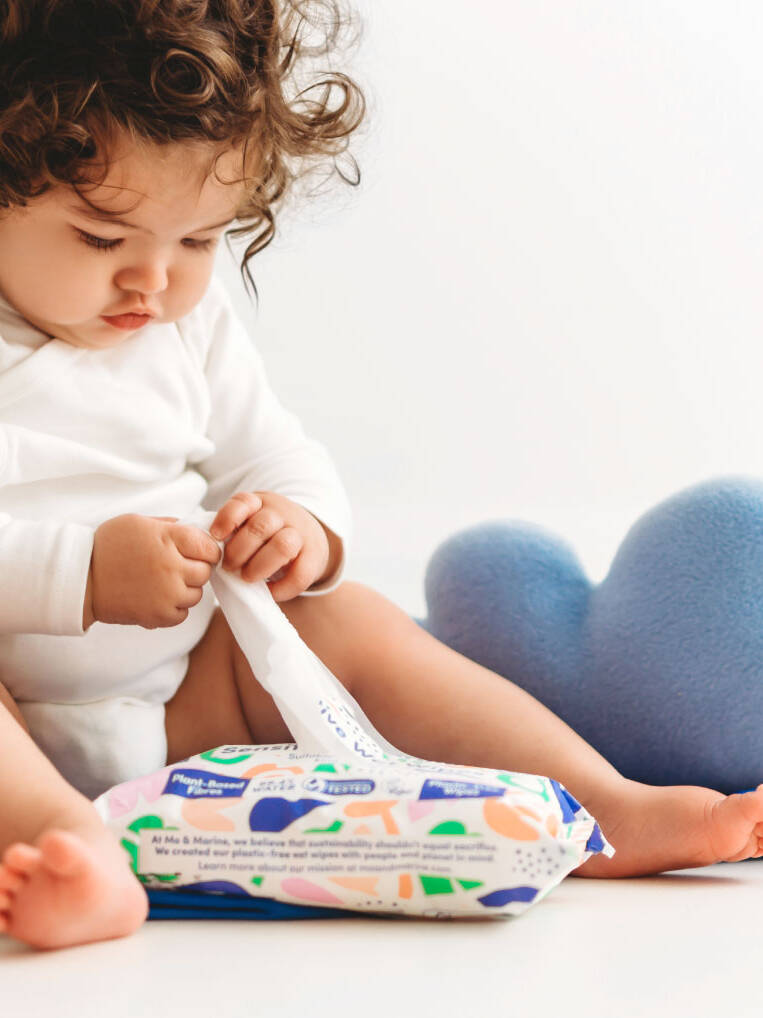
Every few years, marketers declare a new generation has arrived to change brand, packaging design, and acceptable aesthetic forever. Millennials were all about that Pink, and using the same sans serif “minimal” typeface across everything. Gen Z ripped up the design rulebook for internet-driven, nostalgic curation. And now Gen Alpha is on the way with marketers poised to untangle their aesthetic desires in exactly the same way.
This guide breaks down what different age groups look for in packaging design, from Gen Alpha through to Boomers, with real brand examples for each.
Why does age group matter in packaging design?
Packaging earns a sale in the same instant it earns trust, and every generation reads those visual hints differently. A design cue that signals premium restraint to a Boomer can signal invisible, unsuitable and irrelevant to a Gen Z shopper.

At some point we realise we've been bundled into a demographic – a name, a bracket, a tribe you didn't choose. A senior marketing director said to me recently, "I'm a Millennial, anything serious I have to do on a desktop." We all tend to know which named generations we belong in, and as much as we would like to buck the trend, our characteristics are usually pretty spot on. That's what makes designing for them interesting.
What does Gen Alpha look for in packaging design?
- Born in: 2010 – 2024
- Aesthetic: Bold colour, high interactivity, built-in surprise, gamification or personalisation
- Known for: The proclaimed ‘iPad kids’ generation, no pre-internet or pre-device memory, they have grown up in online communities – naturally creating content as much as they consume it
- Brand examples: Minecraft, Roblox, TikTok, YouTube


What does Gen Z look for in packaging design?
Born in: Late 1990s – 2010
Aesthetic: Bold, clear, unapologetically confident chaos and authenticity – the immediately sceptical consumer that can’t be conned
Known for: Trusting real over Photoshopped (79%), trusting real customers over models (84%) – this age group doesn’t just buy brands, they buy brands they can buy into – aligning themselves with their lifestyle, values, trust and community
Brand examples: Liquid Death, Poppi, Starface


What do Millennials look for in packaging design?
Born in: 1981–1996
Aesthetic: Storytelling-led, experiential, clean minimalism, risk averse design
Known for: The most FMCG spending power of any generation, now shopping for whole family households
Brand examples: Oatly, Innocent


What does Gen X look for in packaging design?
Born in: 1965–1980
Aesthetic: Practical with a touch of modernity – function first, trend second
Known for: More measurable brand loyalty than Gen Z or Millennials, and no patience for eco-credentials that make a product harder to use
Brand examples: Dove, Ecover


What do Boomers look for in packaging design?
Born in: 1946–1964
Aesthetic: Clear, legible, nostalgic household generational brands – style without sacrificing readability
Known for: Remaining high spenders on packaged goods, valuing trust and tradition over almost anything else on pack
Brand examples: Bisto, Heinz, Boots, Warburton’s


The data confirms it: the same design choice splits generations in opposite directions
YouGov’s UK-wide survey found that eye-catching, attention-grabbing packaging is a genuine purchase driver for 37% of Gen Z shoppers – more than double the interest shown by older generations. Flip the same question round, and minimal, no-frills packaging wins over Boomers specifically, at 20%, compared with just 8% of Gen Z.
Two generations, two verdicts – design for attention, and you win one. Design for restraint, and you win the other. Knowing which verdict you’re chasing is the job.
Common questions about packaging design and age groups

What do different age groups look for in packaging design?
Different generations respond to different cues: Gen Alpha to interactivity and colour, Gen Z to boldness and provable authenticity, Millennials to storytelling and values, Gen X to practicality, and Boomers to trust, clarity and tradition.
Does Gen Z really care more about sustainability than other generations?
Gen Z places visible importance on sustainability, but so do most other generations. The real difference is that Gen Z demands visible proof of a sustainability claim, rather than accepting the claim on trust alone.
Do older generations actually spend more on packaged goods than younger ones?
Yes, in many categories. Boomers remain high spenders on consumer packaged goods, and Millennials hold significant household spending power, meaning older generations are frequently underestimated in packaging strategy conversations dominated by younger trends.
Can one pack design really work for every generation?
Not perfectly, but a well-designed pack can serve most generations by prioritising legibility, clear value communication and authentic claims, then layering in specific cues, like interactivity or nostalgic detail, aimed at the audience that matters most commercially.
Need help designing packaging that speaks to your actual customer base, not just the loudest generation in the trend reports?
We help FMCG and CPG brands understand the generations they’re really serving – and design packaging for how that audience actually shops

Sign up to our building better brands newsletter
Free insights for scaling brands