Ask a shopper why they bought your product – and it’s likely they will tell you what they were doing that day. Picking up lunch. Stocking up the cupboard. Grabbing something for tonight. Those everyday consumer needs are called ‘shopper missions’.
A shopper mission is the purpose behind a single shopping trip. It is not who the shopper is – it is what job that particular shopper trip is doing for them.

Smart FMCG brands know the exact shopper missions where their brand slots on – once you know the moments your brand can win in, you can engineer the brand, packaging and messaging to win it.
What is a shopper mission?
A shopper mission is a distinct purchase occasion, identified through the products a shopper buys together, how much they spend, and whether the trip is routine or a one-off. It is derived from actual basket data rather than stated intentions, since what shoppers say they are doing and what their basket reveals are often different things.
Retailers meticulously plan around shopper missions – to design store layouts, stock the right products, and to create marketing and in-store activations that match why people are shopping.
What are the main types of shopper mission?
There is no single agreed list of shopper missions. Retailers and research bodies define them slightly differently, but most frameworks describe a similar underlying pattern.
YouGov’s shopper missions framework, one of the most widely used industry standards, identifies five core types: cherry pick, small purchase, fresh food purchase, unusual stock up, routine stock up, and bulk purchase.
- The top up or cherry pick: A quick trip covering one or two items. Speed and familiarity matter more than discovery.
- The main trolley or routine stock up: A planned, larger trip covering a week or more. Value, range, essential products and pack size carry the most weight.
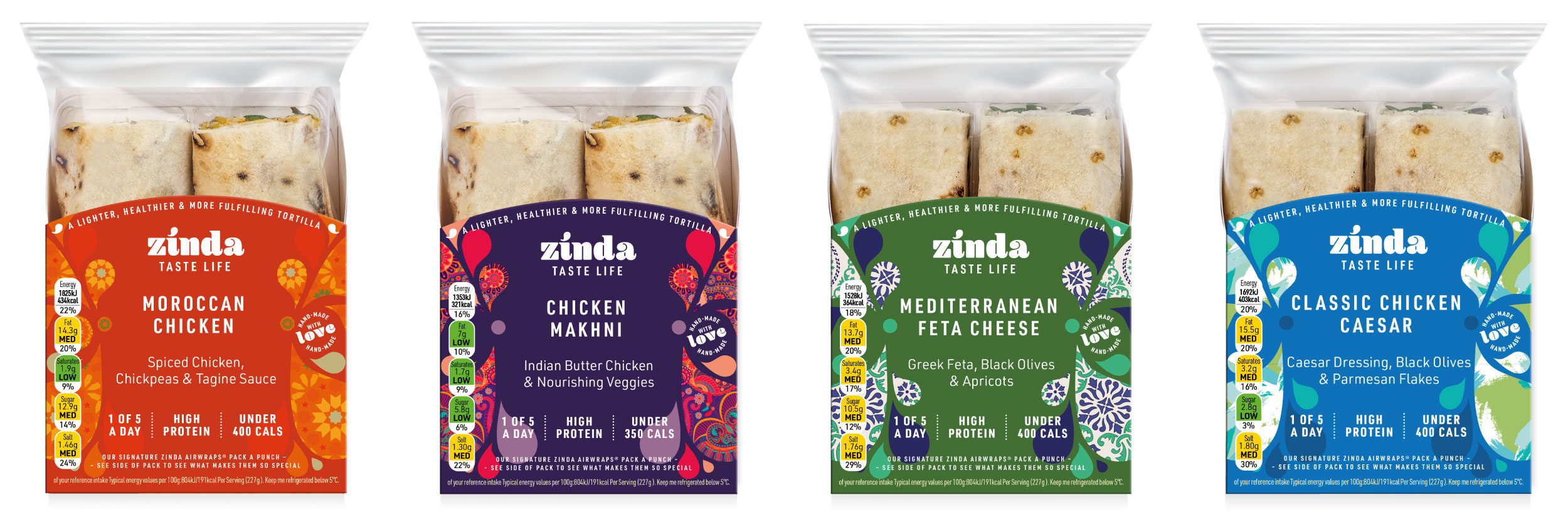
- The on-the-go or immediate consumption trip: Something to eat or drink right now. Convenience formats and single-serve packs win here.
- The fresh food mission: A trip focused specifically on perishable, high-turnover categories, often shopped more frequently than a full stock up.
- The unusual or bulk stock up: Buying ahead of an event, holiday or known future need. Multipacks and larger formats are expected.No single brand wins every mission. Most win one or two well, and lose ground everywhere else without realising it.
Why do shopper missions matter more than shopper demographics?
Demographics describe who a person is – missions describe what they need in that moment.
The same 35 year old parent behaves completely differently on a Tuesday evening top up than on a Sunday main trolley shop, and no amount of demographic targeting explains that shift – mission does.
This matters commercially because packaging, pricing and format decisions built around a demographic often miss the actual moment a shopper is standing in front of the shelf trying to solve a need state.

I always love to think and talk about consumers in terms of the real people I know. I think of how my friends in London shop, how our missions are more aligned to the biggest store which is closest to our commute, small fridges and freezers – fresh food heavy. I think of my Mum who lives in Wales and will drive to different grocers for different needs. I think of myself – how I will visit certain grocers for a larger weekly shop – and then will religiously only buy my fruit and veg from another store. I think of myself in treat mode – I want something indulgent but not something which is going to make me feel guilty. Or on the hunt for evening convenience – I want something which is cheaper than a takeaway, and healthier than a takeaway.
How can brands design packaging, messaging and marketing for shopper missions?
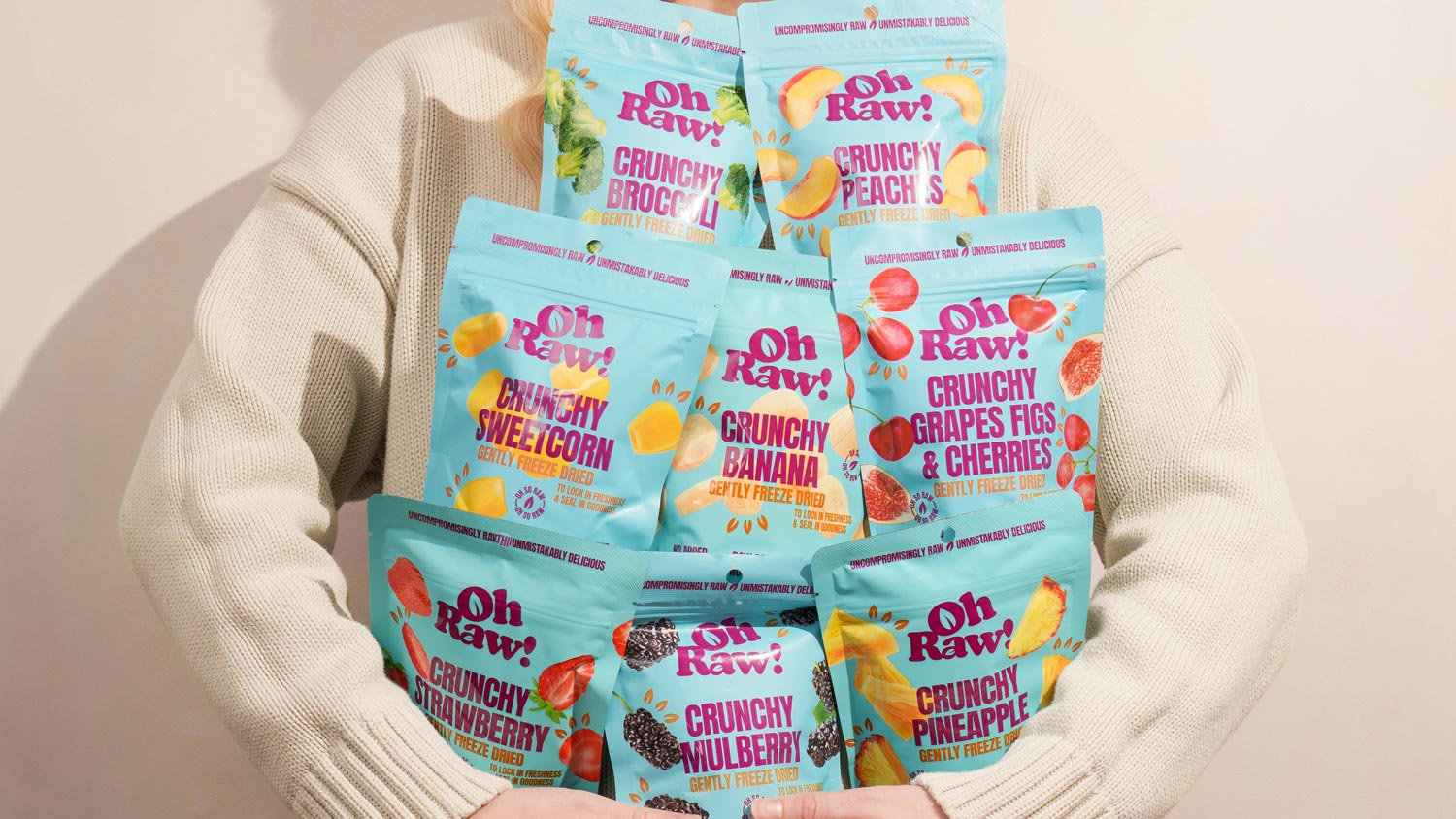
Brands can increase relevance for shoppers by optimising packaging, messaging and marketing for the specific need state each mission creates.
A bowl of salad to go and a bag of salad for the fridge are essentially the same product, but they carry completely different expectations – one needs to promise freshness right now, eaten within the hour, the other needs to promise it’ll still be good in four days’ time.
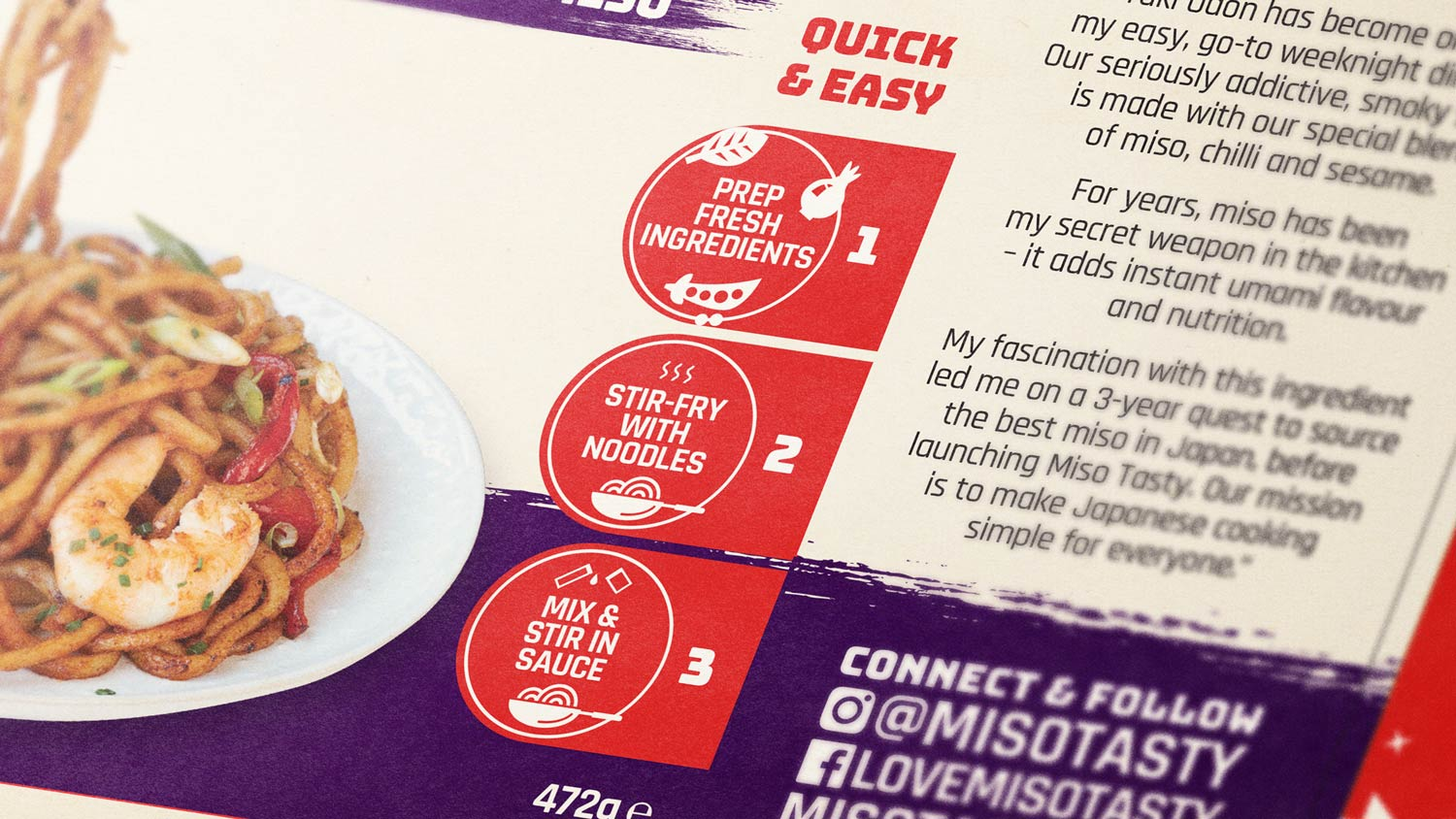
The same logic runs across almost every category. A ready meal for tonight needs speed and instant appetite appeal – a frozen version of the same meal needs to promise it tastes just as good as fresh, and will still do in a month’s time.
The strongest brands decide which shopper missions they’re designing for and commit to it – rather than trying to hedge across all of them at once.
How do you build a shopper mission strategy for your brand?
Start by mapping which missions your product is actually shopped across, using retailer data or category reviews rather than assumption. Identify which missions your brand currently wins in, and be honest about which ones are not relevant.
Pick a lane. Either go deep on the one or two missions you can genuinely win, or build a segmented range with a distinct format for each mission you’re serious about. A single pack trying to serve every mission at once usually ends up serving none of them.
As a brand owner – you should have a really clear idea of the shopper missions which your brand fits into. In the early days this can be more difficult, and a more desired state – however as you increase distribution, you should be hearing directly from consumers, retailers and data – the types of scenarios where consumers are putting your brand in baskets.
Common questions about shopper missions

What is a shopper mission in retail?
A shopper mission is a distinct purchase occasion, identified from basket composition and spend rather than stated intent. It shapes what a shopper buys more than their demographic profile or brand loyalty.
How many shopper missions are there?
There is no single agreed number. YouGov’s standard framework uses six mission types, while other agencies use simpler four-mission models. The exact number and definition varies by retailer and research provider.
How is a shopper mission different from a target audience?
A target audience describes who a person is. A shopper mission describes what job a specific shopping trip is doing for them. The same person can sit in a different mission on every single visit.
Why do retailers plan stores around shopper missions?
Because shopping behaviour changes far more by mission than by shopper type. Planning range, layout and promotions around missions lets a retailer serve the actual need a shopper has that day, rather than a fixed idea of who they are.
Can one brand win every shopper mission?
Rarely. Most brands perform strongly in one or two missions and are effectively invisible in the rest. The stronger strategy is usually to commit clearly to the missions a brand can genuinely win.
Need help designing packaging for the missions your brand can win?
We help FMCG brands identify the missions they can win and design packaging and range built for that specific moment, not a generic shopper profile.

Sign up to our building better brands newsletter
Free insights for scaling brands