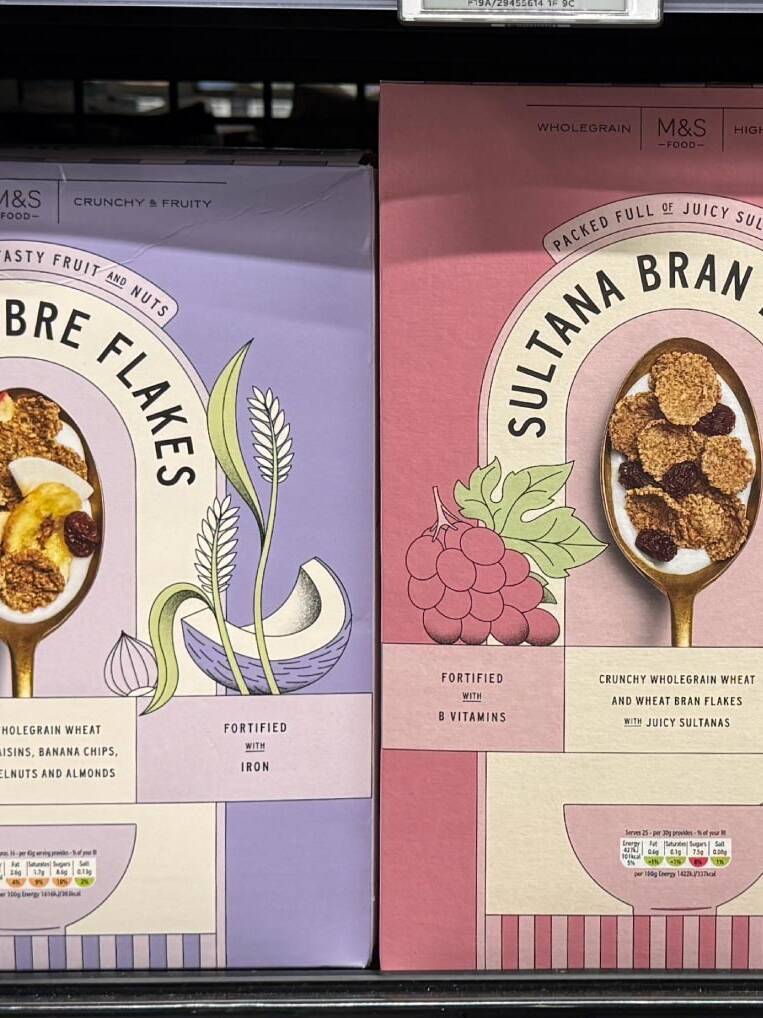
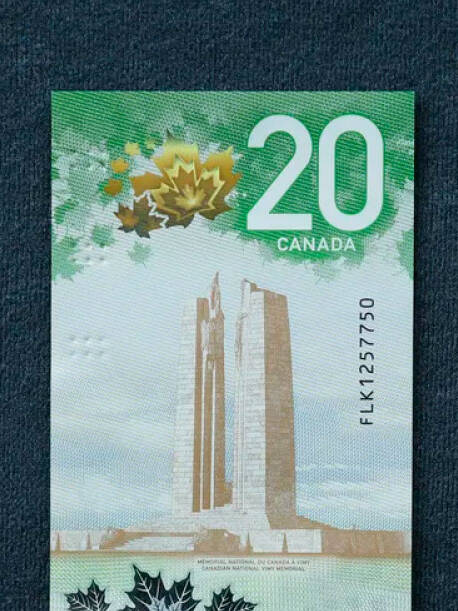
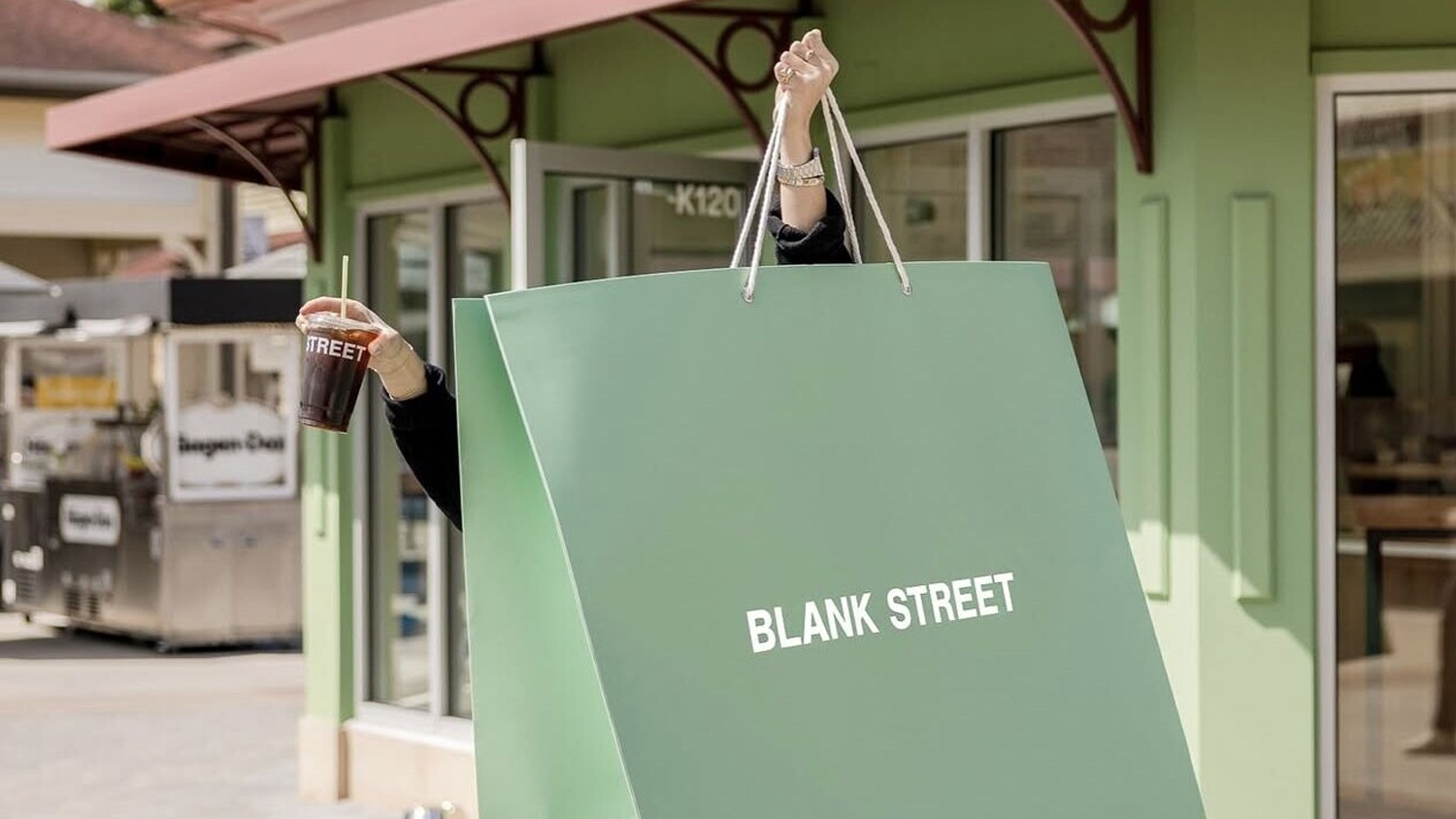
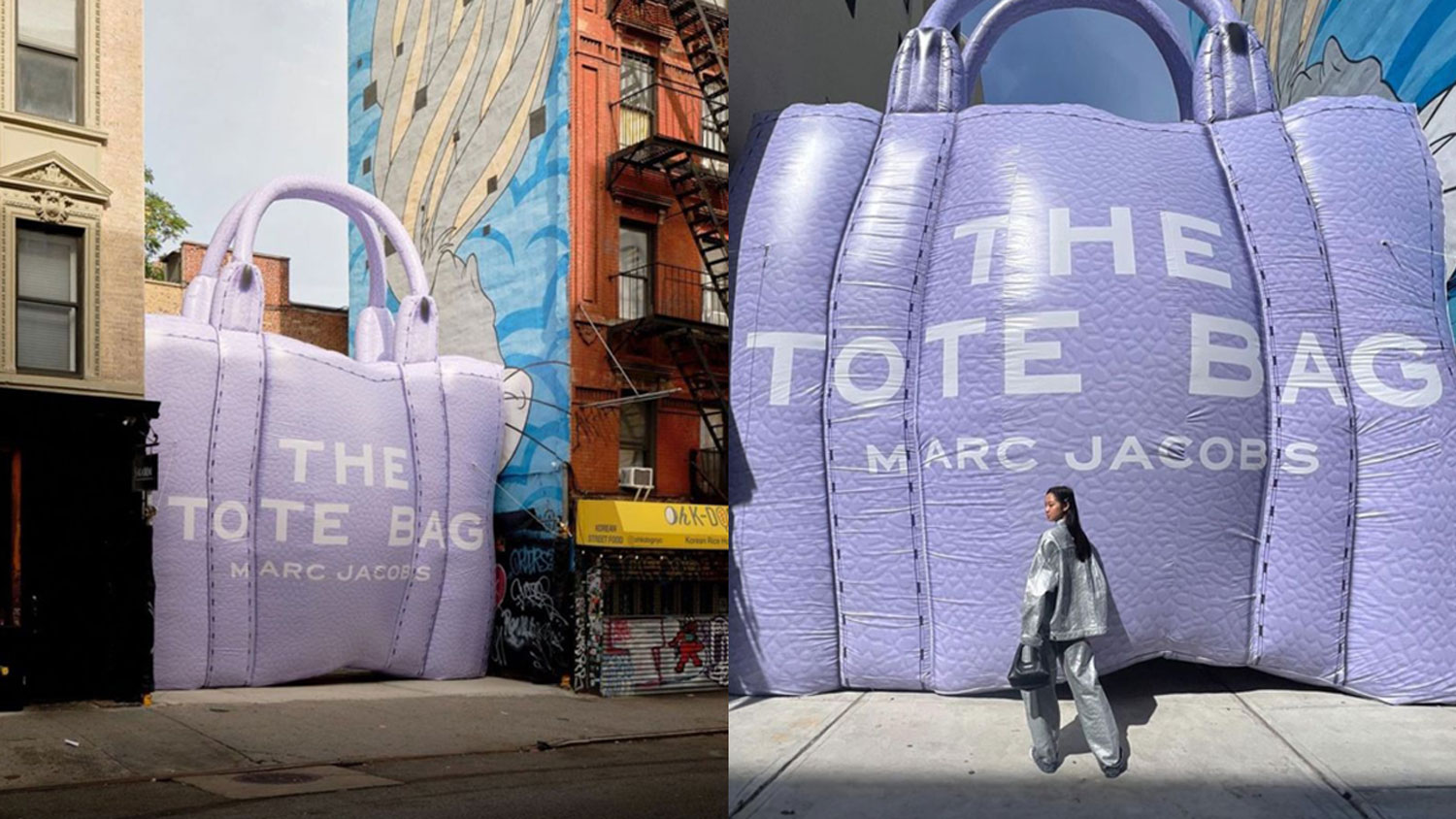
Oversized marketing is the deliberate use of supersized formats – physical or digital – to hijack attention, amplify brand cues, and create share-worthy moments. Picture a giant product replica on a city street, a billboard-scale unboxing on TikTok, or a pop-up store that feels like you’ve stepped inside the pack itself.
Why has oversized marketing become so popular?
Oversized marketing has surged because it solves a modern dilemma: consumers now ignore 99% of the messages bombarding their feeds, but they’ll still stop, stare and share at anything spectacularly out-of-scale. Giant product replicas, billboard unboxings and AR mega-objects cut through screen fatigue, generate instant social content for audiences hungry to post “you-had-to-see-this” moments, and sidestep tightening ad restrictions by turning public spaces into immersive brand stages.
In short, going big guarantees visibility, virality and memorability in an attention-starved world.
Why “go big or scroll by” works
- Instant salience: A three-metre cereal box in a train station trumps every tiny POS wobble card combined.
- Social currency: People photograph, reel and meme anything jaw-dropping, giving you organic reach.
- Perceived value lift: Large-format activations subconsciously signal confidence and brand heft.
- Memorability: Bigger stimuli create stronger mental imprints – shoppers remember “the giant tea bag” months later.
When to use oversized marketing
- Launching a new-to-world product that must punch above its media spend.
- Fighting for attention during seasonal peaks (Easter eggs, Christmas tubs).
- Educating consumers – e.g., a plant-based cheese brand showing a giant slice melting to prove parity.
- Navigating regulation-limited channels (HFSS rules) where experiential scale offsets ad restrictions.
Pitfalls to avoid
- Form over function: a big object with zero product link feels gimmicky.
- Logistics blindness: oversized builds are costly to ship, install and insure – budget accordingly.
- Photo bottlenecks: plan queuing and vantage points so crowds don’t become frustrated.
- Sustainability backlash: reuse materials or donate builds afterwards to prevent “wasteful brand” criticism.
In a scroll-first world, oversized marketing flips the script. Instead of shrinking assets to fit screens, you blow them up so big they charge back onto those same screens – propelled by the audiences you most want to reach.
Ready to turn heads with oversize marketing?
Let’s chat about how super-scale moments can make your brand impossible to ignore.
Get in touch

Sign up to our building better brands newsletter
Free insights for scaling brands