Choosing a packaging design agency is one of the most commercially consequential decisions a brand can make.
The right agency doesn’t just make your product look better – it creates packaging design as your biggest and most valuable commercial asset. It makes your product sell better, earn listings, justify its price point, position it strategically within a category, and create brand equity which compounds over time.
Working with the wrong packaging design agency costs far more than the project fee. It costs in low rate of sale, buyer lack of confidence, investor disinterest, and months of momentum which you cannot get back.
Here is what to look for – and what to avoid.
1. Look for retail and commercial intelligence, not just creative ability
The most common mistake brands make when choosing a packaging design agency is hiring on aesthetics alone. A portfolio full of beautiful work is encouraging. A portfolio full of beautiful work that performed commercially is a different thing entirely.
A pack that wins awards but doesn’t convert at shelf, survive a retail buyer meeting, or read clearly at thumbnail size on Shopify has failed its commercial brief regardless of how great it looks on an agency’s website.
The best packaging design agencies combine visual craft with category intelligence – understanding how shoppers actually behave, how buyers evaluate a brand, and what it takes to build genuine shelf presence rather than just a good-looking box.
2. Ask to see category-specific experience
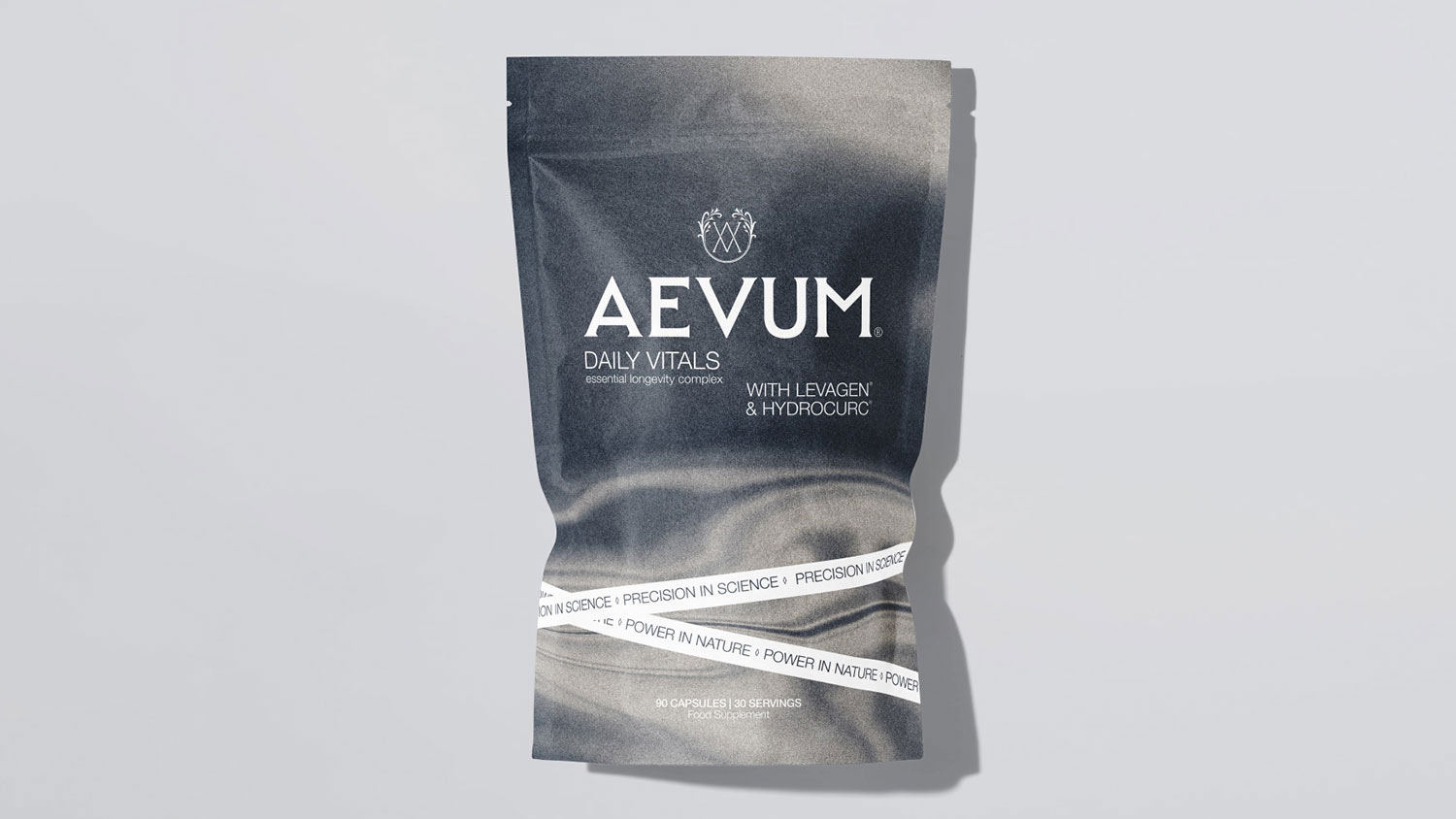
Packaging design is not a generic skill which any agency or freelancer can execute easily. The rules that govern a premium supplement brand are different from those that govern a challenger snack brand. The hierarchy that works in a pharmacy aisle is different from the hierarchy that works in a frozen grocery fixture.
When shortlisting a packaging design agency, ask specifically whether they have worked in your category – and if so, what commercial outcomes followed, what category learnings do they have? What did they achieve for previous clients?
- A listing gained
- A rate of sale improvement
- A buyer meeting that converted
- An investment round secured off the back of a rebrand
These are the metrics that matter.
An agency that has never worked in your category isn’t automatically the wrong choice – fresh eyes can produce genuinely disruptive work. But they should demonstrate a clear process for category research, competitive analysis, and shopper behaviour – the strategic foundation that makes category disruption intentional rather than accidental.
3. Understand whether they lead with strategy or skip straight to design
Category landscape review. Visual territory mapping. Shopper decision drivers. Competitive positioning. These are not optional extras – they are the foundation on which every design decision is built. A packaging design agency that presents concepts in week one, before any of this groundwork has been done, is designing on instinct rather than intelligence.
When evaluating an agency, ask them to walk you through their process.
- Where does the brief start?
- How is the category researched?
- How are design decisions justified?
The answers will tell you whether you are hiring a studio that makes things look good or a strategic partner that makes things design work for your brand commercially.
4. Look for a clearly defined process with fixed deliverables
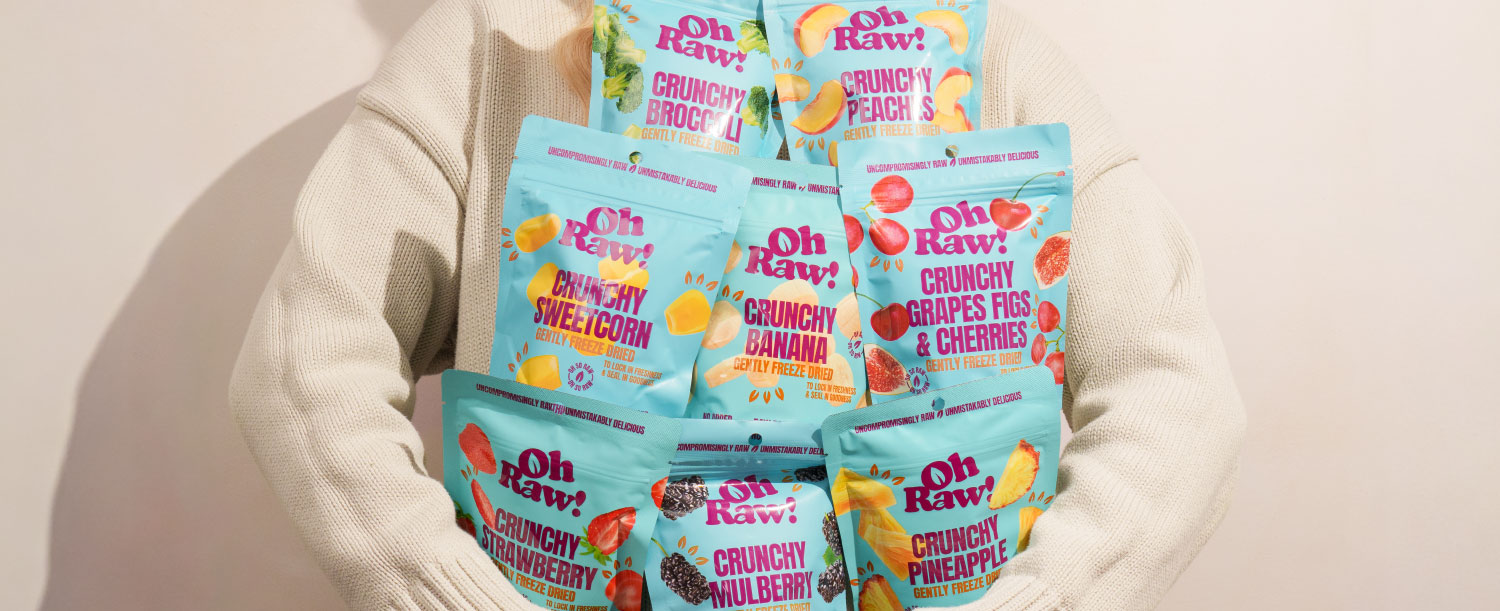
A good packaging design agency will present a clear process with defined stages, numbered feedback rounds, and specific deliverables at each point. You should know, before the project begins, exactly what you are getting, exactly when you will receive it, and exactly how many opportunities you have to respond before the stage closes and the project moves forward.
5. Check that their portfolio includes brands at a similar stage to yours
An agency that works exclusively with global brands will apply a different level of process, budget expectation, and timeline assumption to a challenger brand that is launching its first two SKUs. An agency that works exclusively with start-ups may lack the retail strategy experience and buyer-facing credibility that a brand preparing for national distribution needs.
Look for an agency whose portfolio includes brands at a comparable stage of development to your own – not because you should limit your ambitions, but because the commercial context in which a brand is designed matters enormously. The best challenger brand work comes from agencies that understand what it means to build something from the ground up.
6. Specialist packaging design agency vs. a 360 agency that does everything
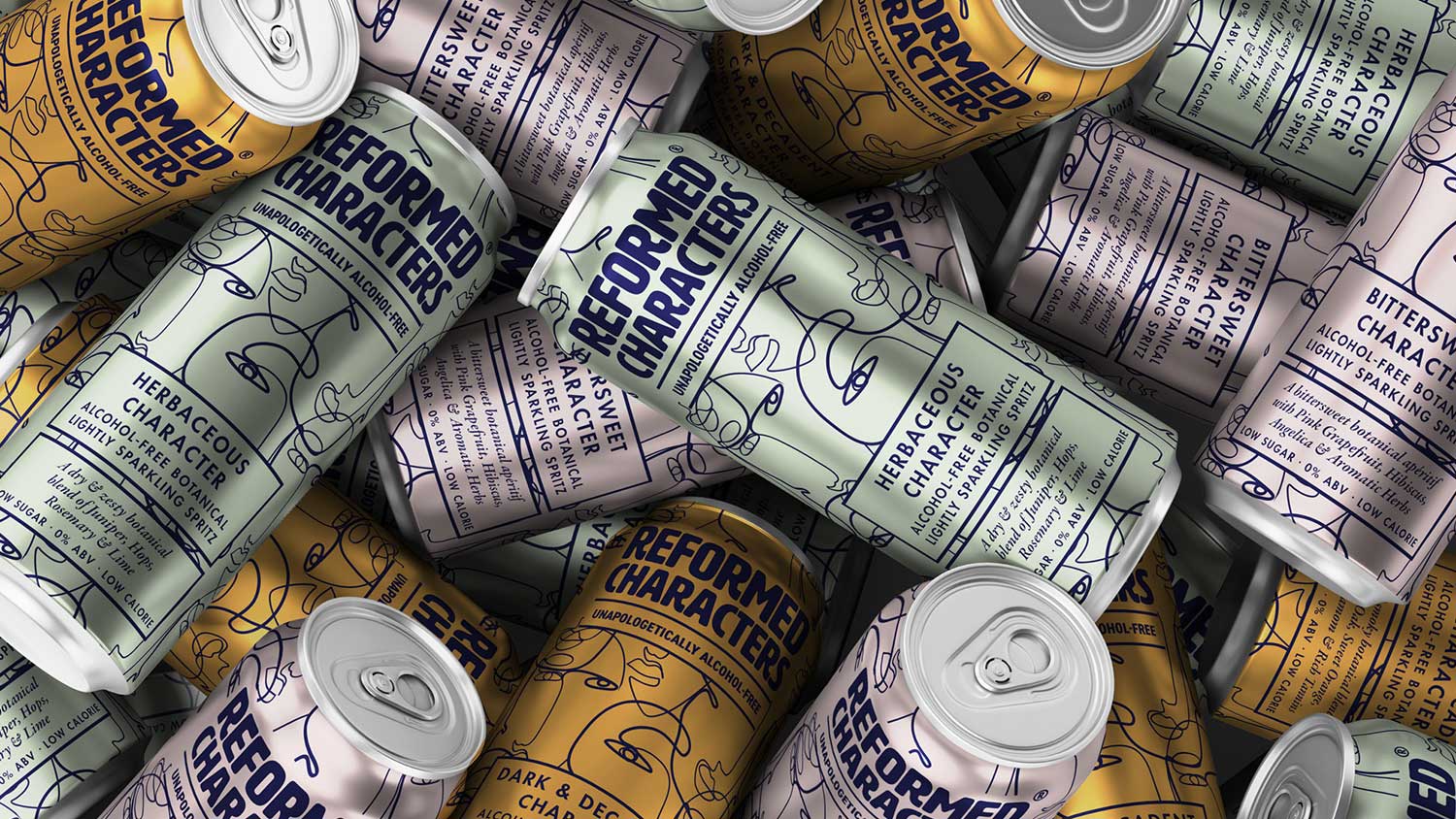
There is a significant difference between a specialist packaging design agency and a 360 marketing agency that lists packaging design as one of thirty services.
- One team is creating packaging design every single day – with likely up to 100 packaging projects launched a year
- The other completes two or three packaging projects a year between social media campaigns, email newsletters and videography.
They have seen the same mistakes across hundreds of brands and learned how to avoid them before the project starts. They understand nuances of retail buyers, fulfillment headaches, consumer sentiment, and a route to scaling that only comes from daily immersion in the discipline.
7. Meet the people who will actually work on your project
The most common disappointment in agency relationships is the gap between the director level team who win the business and the junior designer who delivers it.
Before committing, ask to meet the people who will be working on your project. Ask how senior involvement is maintained throughout the project. Ask what the review and quality control process looks like internally. A good agency will welcome these questions. An agency that deflects them is telling you something important.
8. Trust the brief – not the biggest portfolio
The agency with the most impressive portfolio is not always the right agency for your brief. The right agency is the one that demonstrates the clearest understanding of your specific commercial challenge, your category, your consumer, and the job the packaging needs to do.
A credentials presentation that includes brands you recognise is encouraging. A proposal that shows a specific, considered, commercially-grounded point of view on your brief is more valuable than any number of famous logos.
If the answer is yes, that is your agency.
Common questions about How To Choose A Packaging Design Agency

What is the most important thing to look for when choosing a packaging design agency?
Commercial intelligence. The most effective packaging design agencies combine visual craft with a genuine understanding of how shoppers behave, how buyers evaluate brands, and what it takes to build shelf presence that drives rate of sale. A portfolio of beautiful work is a starting point. A portfolio of commercially effective work is the real credential.
What is the difference between a specialist packaging design agency and a 360 agency?
A specialist packaging design agency creates packaging every single day – building category knowledge, retail intelligence, and commercial instinct through daily repetition.
A 360 marketing agency offering packaging as one of many services may complete two or three packaging projects a year between other briefs.
That gap in daily practice is not visible in a credentials deck. It becomes very visible in the work. When your packaging is the primary commercial asset your brand owns, it deserves the agency for whom it is the only focus.
How long does packaging design take?
A focused single SKU project typically takes six to ten weeks from brief to print-ready artwork. A full brand and packaging system runs between ten and sixteen weeks.
The most common cause of delay is fragmented client feedback, or clients in the early stages of product manufacturing.
What should I ask a packaging design agency before hiring them?
Ask them to walk you through their process – where the brief starts, how the category is researched, and how design decisions are justified commercially.
Ask to see specific examples of work that performed in a similar category or retail environment to yours. Ask to meet the people who will work on your project day-to-day. Ask how scope, feedback rounds, and timelines are managed. The answers will tell you more than the portfolio.
Should I choose a packaging design agency that specialises in my category?
Category specialism is valuable but not essential. An agency that knows your category deeply will move faster, make fewer avoidable mistakes, and bring relevant competitive intelligence to the brief. An agency without category experience can produce genuinely disruptive work – but only if they have a robust process for building that intelligence from scratch. The question to ask is not “have you done this before?” but “how do you approach a category you haven’t worked in?”
How do I evaluate a packaging design agency’s portfolio?
Look beyond the aesthetics. Does this work look like it would perform commercially in a retail environment? Is there evidence of strategic thinking – clear hierarchy, ownable colour systems, range navigation? Does the work across different clients feel distinctive and considered, or does it share a visual language that suggests the agency has one answer to every brief?
Ask the agency what happened commercially after the work launched.
Ready to find the right packaging design agency?
More listings. Better rate of sale. A brand that wins the hearts and minds of consumers, buyers, investors and partners. That starts with the right agency.

Sign up to our building better brands newsletter
Free insights for scaling brands